
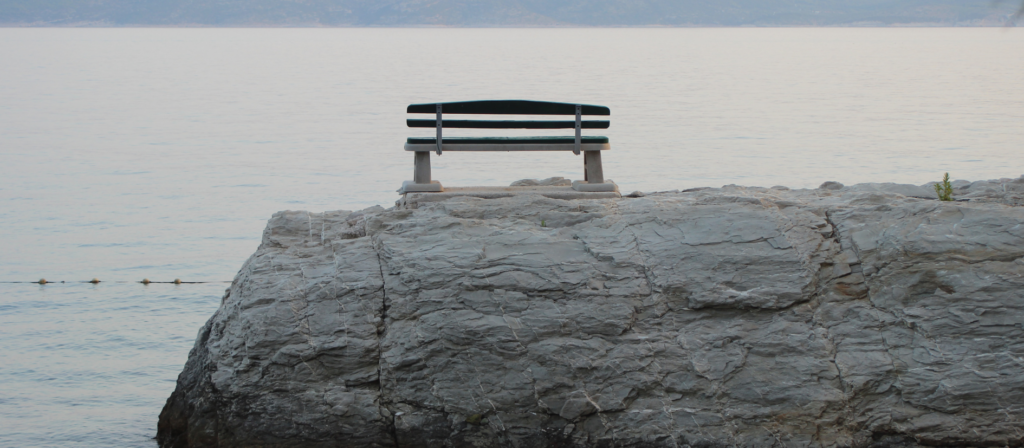
Silence
by Hugh Jenkins
In how many meetings have we paused for silence? When we did, did it help, or did the silence feel so strange in that context that we merely endured it?
When have we deliberately decided not to say anything because silence seems a better idea than speech? In church services, when have we experienced a meaningful period of silence? Have we ever tried fasting from words? If so, what did we notice when we really wanted to say something during that fast?
Oftentimes, when I hear a politician, I wonder, “Why didn’t you become silent instead of spouting forth such unhelpful, propaganda-filled clichés?” Sometimes, when listening to a preacher, I have a similar desire for silence.
Thomas Merton’s journal entry on 8 January 1950 seems apt here:
Preaching God implies silence. If preaching is not born of silence, it is a waste of time. Writing and teaching must be fed by silence, or they are a waste of time. There are many declarations made only because we think other people are expecting us to make them. The silence of God should teach us when to speak and when not to speak. But we cannot bear the thought of that silence, lest it cost us the trust and respect of [people].
In Ignatian spirituality, silence has a vital role. One goes into extended silence to do the Spiritual Exercises. Prayer, in the Ignatian tradition, involves specific periods of silence. With Ignatian Gospel Contemplation, there is active use of the imagination. Here, the silence is used to activate the mind and open affective response, whereas in centring prayer there is a stilling of the mind that is desired.
In the various kinds of prayer that value silence, silence can be viewed as space for prayer or stripped-down prayer. Silence can even be considered the purest form of prayer. Silent prayer involves being open to God that can include being focused or aiding focus coming forth, for everyday living. However, is silence to be taken into our interactions with others?
What of silence in meetings, church services and gatherings? Public silence tends to be viewed negatively in the main. Silence there implies powerlessness, or does it? Could silence enhance our perspectives in public space? What if we leave questioners to ponder more rather than giving quick answers? What if we muse on what someone has said instead of cooking up what we are next going to say long before the other has finished talking? What if we listen to God in silence in the very meetings we consider as being about God’s work? What might we hear, or experience beyond hearing, in the silence?
Could silence be a social expression, a political strategy, a human necessity, spiritual nourishment, and integral to community spiritual meeting?


