
Whose name is on the bridge?
by Grant Tungay SJ
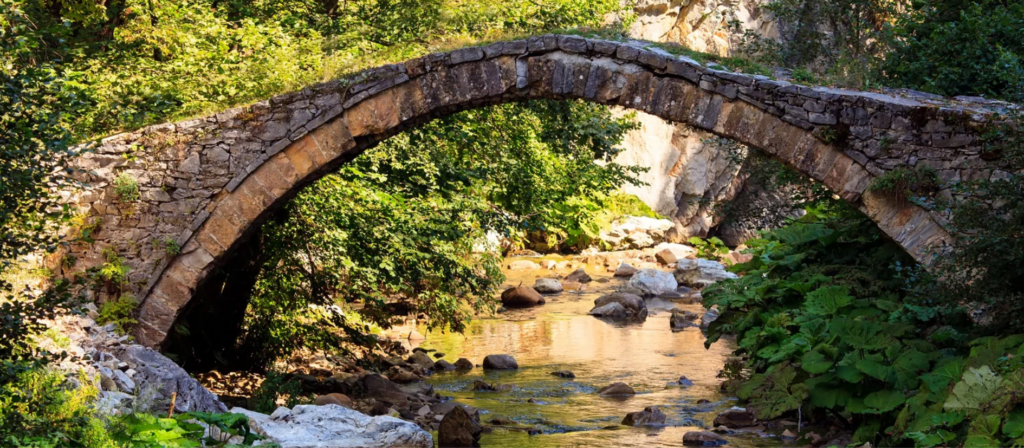
In his encyclical Fratelli Tutti, Pope Francis discusses an evocative concept: political love. As an example of this love, he says that it is good to help an elderly person cross a river. But political love will want to build a bridge over the water. The problem with South African coalition politics is that too often, politicians are more concerned with whose name will go on the bridge.
Can South African politicians learn to work together for the common good? Pope Francis calls politicians to be far-sighted, to work towards the long-term flourishing of our communities. But since the local elections, our parties seem at times hampered by self-interest. We cast our votes, hoping for significant movement on service delivery, corruption, employment and good municipal governance. Will coalition talks be about who governs, or about how water, jobs and clean government will be delivered?
Coalition politics is not just tolerated by our Constitution. It is anticipated by it. The Constitution establishes a multiparty system of democratic government. Proportional representation is envisaged at national, provincial and local levels. It even stipulates that all spheres of government need to cooperate and foster friendly relations.
However, the forming and functioning of coalitions remains under-regulated. Political parties decide how best to form and govern coalitions. This is the reason why there is a proposed bill (the Municipal Coalitions Bill) to plug the gaps. It proposes significant reforms for how coalition government functions, such as making coalition agreements public. The bill has not yet been passed, so political parties are negotiating without the framework it could provide.
The gaps are real. Even if the Constitution wants cooperative governance, our political parties seem to struggle to lay aside their vested interests to serve their people. At the end of the day, political love cannot be mandated. True political love has to genuinely care for people. Can we learn to build our bridges and not care whose name is on them?


