
Voting is both a right and responsibility
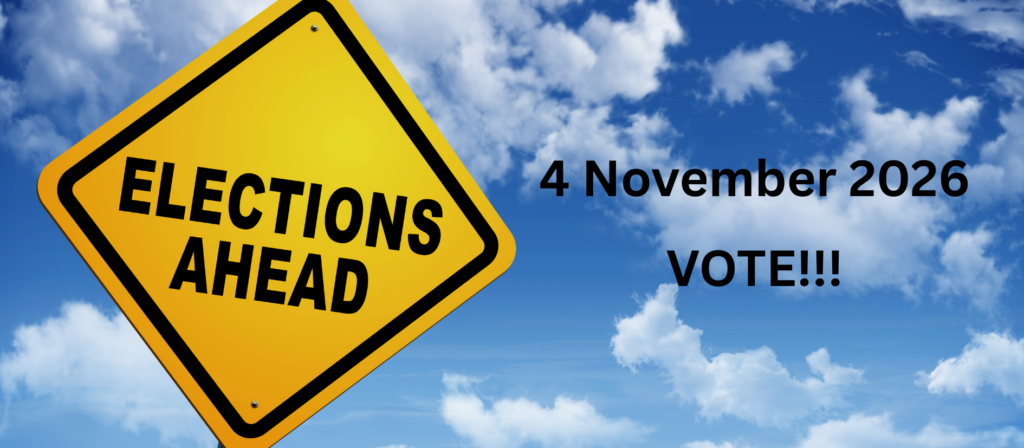
Voting is both a right and a responsibility
by Gillian Hugo
Tomorrow, 4 November 2026, eligible South African citizens will gather at polling stations countrywide to cast their vote.
Voting is both a right and a responsibility. It allows citizens to hold elected representatives accountable and to influence who makes decisions about local resources, services and development. Municipal councils have a direct impact on the quality of life in our communities. The people we elect should be expected to manage public funds responsibly, maintain infrastructure, provide essential services and respond to the needs of residents.
What happens if we do not vote? When eligible voters stay away from the polls, they forego the opportunity to influence the outcome. Others will make decisions that affect their communities, regardless of whether those who abstained agree with the result. Low voter participation can also weaken the public mandate for accountability and allow those dissatisfied with the current situation to become politically invisible. Not voting does not punish politicians or transfer your vote to another party; it risks leaving decisions in the hands of others. It means you have no direct influence through a ballot on the result. According to political analysts, voting in the local municipal elections can have the greatest impact because local elections can come down to very small margins. Your vote, therefore, counts and can and will make a difference!
And what about a spoiled vote? A ballot paper that is incorrectly marked or cannot be counted as a valid vote does not contribute to the election of a party or candidate. While deliberately spoiling a ballot may be intended as a protest, it does not directly translate into a vote against a particular party or into a clear instruction to elected representatives. If a ballot is accidentally spoiled, voters should ask the presiding officer for a replacement before placing it in the ballot box. “In reality, spoiled ballots are recorded but excluded from the calculation used to allocate seats. They do not count toward any political party’s total.”
If you are unhappy with all the available choices, consider which party or candidate is most likely to improve the situation, or best reflects the values and priorities you want represented. Make your choice carefully and ensure your ballot is completed correctly. Remember, there will never be the perfect candidate or party. Sometimes we have to vote for the best we can who will work to improve the common good.
Our democracy depends on participation, not just frustration. Complaining about poor service delivery is legitimate, but we must also use the democratic tools available to us to change what we need changed. Voting alone will not solve every problem, and accountability must continue long after election day. We must remain engaged, ask questions and insist that elected representatives honour their responsibilities.
“Citizens should exercise their right and duty to participate in political life for the common good” (Gaudium et Spes, 75)


