
Water Restrictions?
It flows in the streets, BUT not from the taps
by Russell Pollitt SJ
Johannesburg residents, like those in other Gauteng metros, have been hit by water restrictions. This is puzzling, given that we are also told the Vaal Dam is at very high levels. In fact, Johannesburg should not lack water. The City was built and designed to prevent this outcome. Yet, as many know, residents regularly go days, sometimes weeks, without a drop. We must face the fact that the crisis is real, but it is not caused by scarcity. The problem is water management.
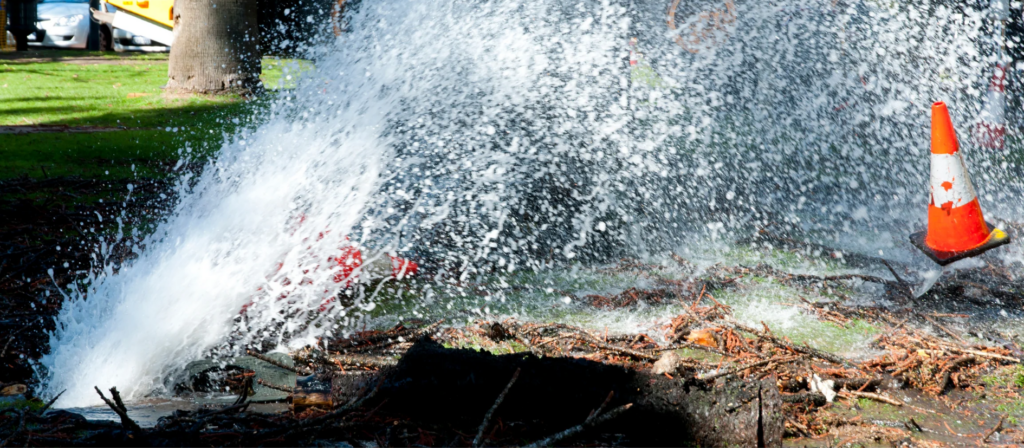
Let us start with the leaks. Johannesburg’s non-revenue water for 2025/26 was 47.1%, with physical losses valued at R2.4 billion. The World Bank’s best-practice benchmark is 25%. The city buys treated water, only to let nearly half of it vanish through bursts, ageing pipes, and illegal connections. Telling residents to use less water and imposing restrictions on them is hypocritical when authorities, who are supposed to manage this, allow so much to be wasted before it reaches a tap.
Why are pipes not fixed? The answer is, of course, money and where it goes. Johannesburg’s water revenue is R11.9 billion, yet only R1.3 billion was allocated to Johannesburg Water for capital expenditure. It is no secret that water revenue is being spent elsewhere. The Minister of Water and Sanitation said municipalities were told to ring-fence water sales and reinvest them in infrastructure, but they have clearly not done so. If you deny yourself income and cannot maintain your network, a neglected network leaks more, further reducing revenue.
The result is a downward financial spiral. Johannesburg Water owes its contractors R265 million and Rand Water R377 million. Rand Water is now demanding a deposit of more than R2 billion. The city bills and collects only 55.2% of water revenue, leaving an annual deficit of almost R7 billion. The utility cannot pay for repairs, so they go undone, and losses grow. It’s a vicious circle created by the city’s leadership.
There is another dimension to this catastrophe: capacity has also been eroded. Municipal systems have collapsed because they lack engineers and scientists. Maintenance is a long-term discipline, and it suffers when leadership, budgets, and priorities keep shifting. It also means that professionals with the skills to fix and manage this system well do not stay.
We must also consider that Rand Water has raised concerns about extremely high consumption by several municipalities, including Johannesburg, which strains the bulk supply system. This is easy to understand: as temperatures rise, people use more water. El Niño will certainly affect water usage. We also face challenges of illegal connections, vandalism, and so-called “water mafias.” Estimates of the repair backlog vary widely: the city itself puts it at R9.1 billion, while other estimates range from R26.6 billion to R64 billion. However, demand pressure, theft, and vandalism are far harder to contain when a utility lacks funds, is short of skilled staff, and cannot collect what it is owed.
Let me be clear: Johannesburg’s taps are dry not because the water has run out, but because it is leaking away, going unbilled, and because of a lack of reinvestment. Ultimately, this is due to political neglect. The fix is not a new dam or a miracle supply. It is ring-fenced revenue, effective billing, skilled engineers, steady leadership, and political will. These are the remedies we urgently need. In other words, water restrictions that shift the burden to residents are, in my opinion, a huge injustice. Let’s face the facts: this is about systemic failure, not water shortages.


